
PTSD Assessment
Accurate PTSD and Complex PTSD assessments to address trauma and restore emotional balance. Begin your path to recovery with professional guidance today.
Book telehealth call OR Book prescription only
Book telehealth call
OR
Book prescription only
What is PTSD and Complex PTSDand When Should You Consider It?
PTSD and Complex PTSD services help identify and address the psychological effects of trauma. The goal is to reduce intrusive memories, improve emotional regulation, and support daily functioning. Treatment is tailored to individual needs to foster long-term recovery and resilience.
- Distressing memories or flashbacks
- Nightmares affecting sleep
- Emotional numbness or detachment
- Difficulty trusting or constant alertness
- Avoidance of trauma reminders
- Irritability, poor concentration, or startle reactions
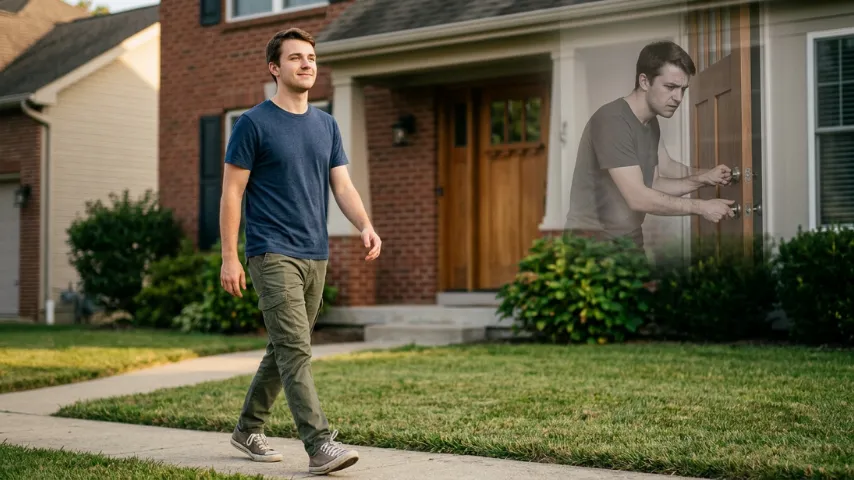
PTSD and Complex PTSD Assessment
Comprehensive evaluation and tailored therapy to manage trauma symptoms.- 45–50 min
- Remote Sessions
- Pre-assessment and risk evaluation
- Trauma history and symptom review
- Personalized CBT/EMDR treatment plan
- Strategies to restore emotional control
Note
- Payment Options: Klarna interest-free installments available
- Insurance Providers Accepted: Aviva, AXA Health, Preferred Health Care Ltd., Vitality Health, Bupa UK, WPA, Allianz Worldwide Care
- Pre-authorization required with GMC number 06032945
How the PTSD and Complex PTSD Process Works
Complete pre-assessment questionnaires and risk evaluation
In-depth consultation via secure video or in-person
Review trauma history, symptoms, and treatment options
Develop a personalized plan to manage symptoms and promote healing
Implement therapy sessions focused on recovery and emotional regulation

Why Chooseprof. Ahmed EL-Missiry?
- Trauma-informed, individualized approach for each patient
- Expert in evidence-based therapies like EMDR and CBT
- Supportive care for both PTSD and Complex PTSD
- Guidance focused on practical recovery and symptom management
Frequently Asked Questions
How to Prepare for This Service
Once you book the service, you will receive pre-assessment questionnaires and a risk assessment. Please complete these forms to provide us with a clearer understanding of your trauma and its impact on your life. After reviewing your responses, we will contact you to schedule your consultation. Feel free to bring any relevant medical records or additional information that can help inform your treatment plan.
Is This Service Confidential?
Yes, confidentiality is a priority. All the information you share with us during your assessment and treatment is kept strictly confidential. We adhere to ethical standards and protect your privacy throughout the process.
How Long Does This Service Take?
- Initial Assessment: The initial assessment usually takes 40-45 minutes.
- Follow-Up Sessions: Follow-up ap Follow-Up Sessions: pointments typically last around 30 minutes, but the duration may vary depending on your treatment progress.
Is There Remote Sessions?
Yes, we offer secure remote sessions via video conferencing for your convenience. This allows you to receive the support you need from the comfort of your home, ensuring flexibility in accessing treatment.
What is the Price for This Service?
£300
Can I Pay in Instalments?
Yes, you can pay through Klarna in three equal, interest-free installments when using the payment portal.
Can My Insurance Pay?
Yes, we accept several medical insurance providers, including:
- Aviva
- AXA Health
- Preferred Health Care Ltd.
- Vitality Health
- Bupa UK
- WPA
- Allianz Worldwide Care
Please obtain pre-authorization using GMC number 06032945 before your appointment. Check with your insurance provider if there are any excess payments required. If pre-authorization is not arranged, you will need to pay upfront and claim back from your insurance.
What is the difference between PTSD and Complex PTSD?
PTSD typically results from a single traumatic event, while Complex PTSD develops from prolonged or repeated trauma, such as ongoing abuse, captivity, or childhood neglect. Complex PTSD often includes symptoms like difficulty with emotional regulation and interpersonal relationships, in addition to the core PTSD symptoms.
How is PTSD treated?
PTSD is commonly treated with therapies such as Cognitive Behavioral Therapy (CBT), Eye Movement Desensitization and Reprocessing (EMDR), and trauma-focused therapies that help individuals process and reduce symptoms of trauma.
Can PTSD be cured?
PTSD can be managed and symptoms can be significantly reduced with the right treatment. Many individuals experience significant improvements in their quality of life through therapy, and they are able to live fulfilling lives despite their past trauma.
How long will I need treatment for PTSD?
The length of treatment depends on the severity of symptoms and the individual. Many people begin to feel better within a few weeks of starting therapy, but ongoing treatment may be needed to maintain progress and prevent symptoms from returning.