
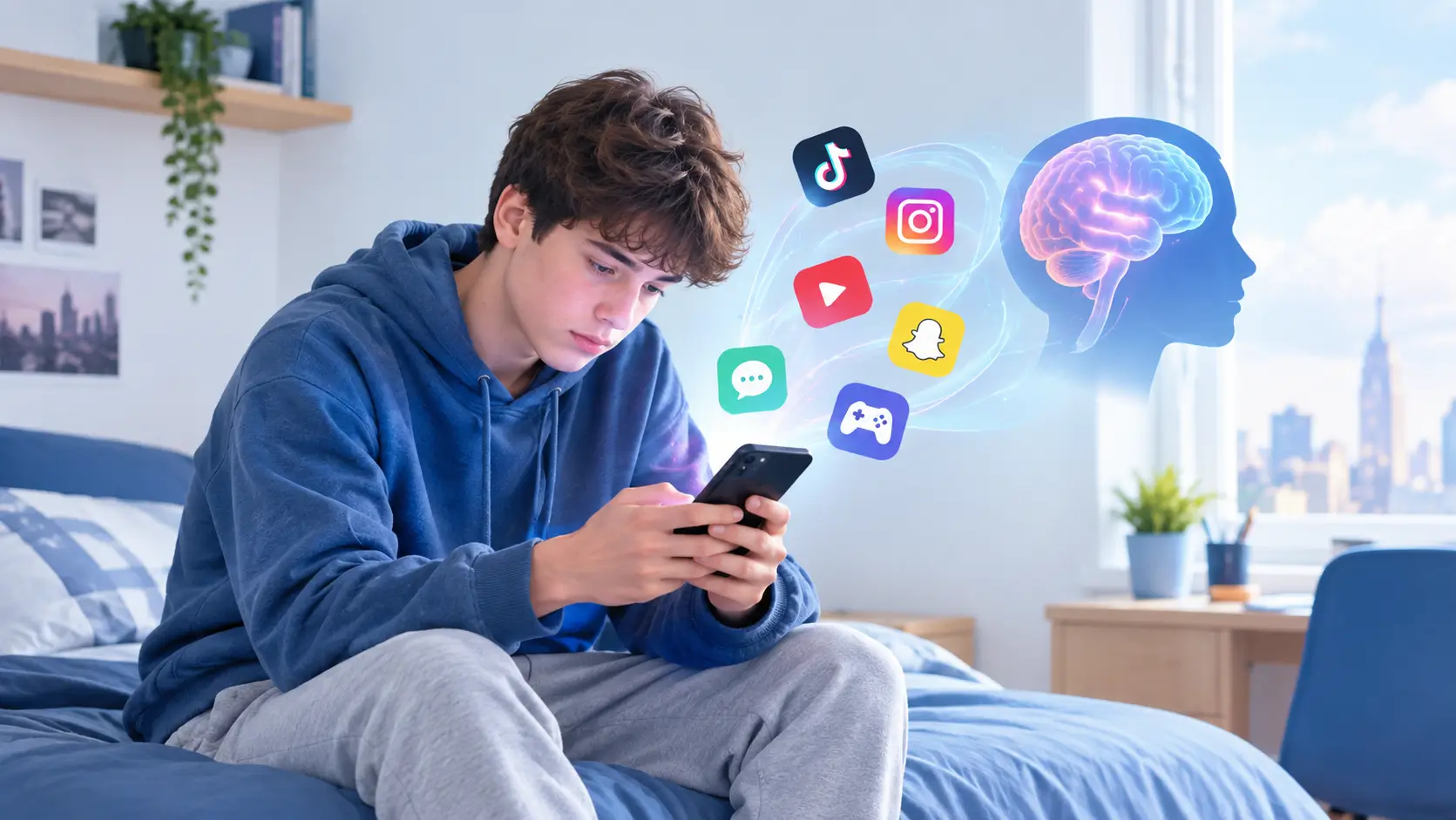
What Does Device Addiction Mean?
Device addiction, or screen addiction, is a behavioural condition where someone feels an uncontrollable urge to use digital devices like smartphones, tablets, or computers, despite clear harm to their daily life. In clinical settings, doctors often refer to this as problematic smartphone use. It is not simply about how many hours you spend online, but whether screen use disrupts your relationships, health, or responsibilities.
To help clinicians measure severity, tools such as the smartphone addiction scale evaluate key signs of dependency.
| Dimension | How It Feels in Daily Life |
| Daily Life Disruption | Neglecting work, studies, home duties, or physical health. |
| Positive Anticipation | Feeling excited or relieved only when thinking about screen time. |
| Withdrawal Symptoms | Feeling restless, anxious, or irritable when separated from devices. |
| Overuse & Tolerance | Needing more screen time over time to feel satisfied. |
Common device addiction symptoms include an inability to step away from screens, constant preoccupation with online updates, and unsuccessful attempts to cut back.
You may also be interested in: Alcohol Addiction Treatment For Women London Options
Why Are Devices Designed to Be Addictive?
Modern apps and social platforms are engineered using principles from behavioural neuroscience to capture user attention.
- Variable Rewards: Unpredictable alerts and likes release dopamine in the brain, creating feedback loops that drive compulsive phone checking.
- Endless Feeds: Features like infinite scrolling and autoplay remove natural stopping points, keeping users engaged longer than intended.
- Sensory Alerts: High-contrast notifications and sound triggers constantly pull focus back to the screen.
Over time, these features train the brain to seek quick digital rewards, making offline activities feel less engaging.
What Are the Signs of Electronic Device Addiction?
Recognising when screen use becomes harmful involves watching for changes in behaviour, sleep, and emotional wellbeing.
| Health Domain | Balanced Screen Use | Problematic Screen Use |
| Attention & Focus | Puts devices away easily during meals or conversations. | Driven by compulsive phone checking and phantom vibration feelings. |
| Sleep Quality | Keeps consistent bedtime routines without screens. | Late-night scrolling leading to daytime fatigue and poor sleep. |
| Emotional Wellbeing | Manages stress through varied offline activities. | Relies on screens for comfort; feels anxious when offline. |
Who Is Most Affected by Electronic Devices?
While screen dependency can affect anyone, current phone addiction statistics highlight that teenagers and young adults are especially vulnerable due to ongoing brain development.
- Adolescents and Young Adults: Research shows around 39% of young adults in the UK show signs of smartphone addiction on clinical scales.
- Neurodivergent Individuals: There is a recognised link between ADHD and screen addiction. People with ADHD often seek rapid stimulation, making fast-paced digital feeds especially captivating.
You may also be interested in: Addiction Treatment for Troubled Teens UK Signs Guide
What Is the Impact of Electronic Devices on Mental and Physical Health?
The relationship between screen time and mental health is well documented.
- Anxiety and Mood: Constant exposure to social media and anxiety go hand in hand, as upward social comparison and the fear of missing out increase emotional distress.
- Physical Symptoms: Eyestrain, neck pain, tension headaches, and poor posture are frequent among heavy users.
- Sleep Disruption: Blue light emitted by screens delays natural melatonin release, interfering with restful sleep and compounding daytime stress.
What Self-Help Strategies to Try First?
For mild digital overload, simple adjustments can help rebuild healthy habits:
- Use Digital Wellbeing Tools: Set application time limits and switch screens to greyscale to reduce visual triggers.
- Create Screen-Free Zones: Keep bedrooms free of phones and tablets overnight to protect sleep hygiene.
- Plan a Digital Detox UK: Schedule short offline periods or weekend breaks to reset your focus and reduce compulsive habits.
If self-help techniques do not bring relief, structured phone addiction treatment can provide expert guidance.
You may also be interested in: Treatment of Percocet Addiction: Safe UK Recovery Guide
When to Seek Professional Support for Electronic Device Addiction?
You should consider seeking professional screen addiction help or phone addiction treatment if you experience:
- An inability to reduce screen time despite serious personal or professional consequences.
- Persistent interference with work, studies, or family life.
- Withdrawal feelings such as panic, irritability, or distress when disconnected.
- Co-occurring struggles like low mood, anxiety, or unmanaged ADHD.
How Can BritMed Help with Electronic Device Addiction Treatment in the UK?
At BritMed Health Care, patients receive expert psychiatric evaluation and compassionate care in a private London setting. The clinic offers personalised plans for device addiction treatment alongside comprehensive addiction treatment services. The multidisciplinary team addresses underlying mental health conditions, provides tailored psychotherapy, and delivers structured support to help patients achieve long-term recovery.
Professor Ahmed El-Missiry leads BritMed’s clinical team. With 30 years of professional experience, he is a
- Consultant Psychiatrist at the Nightingale Hospital, Marylebone.
- Fellow of the Royal College of Psychiatrists (FRCPsych) and the American Psychiatric Association (FAPA).
- Expert in ADHD, depression, anxiety, PTSD, and addiction management.
- Academic Leader and Professor of Psychiatry at the WHO Collaborative Centre for Training and Research.
What Therapy-Based Treatment Options for Electronic Device Addiction?
Outpatient internet addiction treatment UK programmes offer structured psychological therapy designed to fit around daily work and personal routines.
- Cognitive Behavioural Therapy (CBT): Helps identify negative thought patterns and reshape daily habits around screens.
- Behavioural Activation: Encourages engagement in rewarding offline activities, sports, and hobbies.
- Mindfulness & Acceptance Therapy: Builds tolerance to urges and improves emotional self-regulation.
Residential and Intensive Treatment
For severe screen dependency, intensive care programmes provide a supportive environment away from everyday triggers. Attending a digital detox retreat UK or an inpatient rehabilitation programme allows individuals to complete a safe digital reset with 24/7 clinical support, individual therapy, and structured daily routines.
Combining device addiction treatment with other addictions
Screen dependency often overlaps with other behavioural or substance-related challenges. For example, smartphones can act as a gateway to online gambling, gaming compulsions, or shopping disorders. Integrated care combines device addiction treatment with holistic therapy to address shared emotional triggers and prevent substituting one addiction for another.
You may also be interested in: Ketamine Treatment for Addiction Explained in UK
How to Support a Child or Teenager with Electronic Device Addiction?
Supporting young people requires clear boundaries paired with open communication:
- Set Shared Family Rules: Agree on screen-free meals and night-time device limits together.
- Encourage Offline Interests: Help teenagers discover fulfilling hobbies, sports, or local clubs.
- Lead by Example: Demonstrate balanced technology use in your own daily routine.
- Seek Specialist Advice: Consult a paediatric mental health specialist if screen habits cause severe emotional distress or academic drop-off.
Conclusion
Understanding how screens impact brain health and daily life is the first step toward lasting wellbeing. While self-help strategies offer a great starting point, persistent screen dependency often benefits from expert clinical care. BritMed Health Care provides confidential, specialist-led device addiction treatment for individuals across London seeking to rebuild balance, offering comprehensive support and personalised recovery paths.
Take the first step today by contacting BritMed Health Care to schedule a private consultation and restore harmony to your digital life.
All information in this article is for educational purposes only and is not intended for diagnosis or treatment. A qualified medical specialist must be consulted in the event of any health concern or issue relating to the subject of this article.