
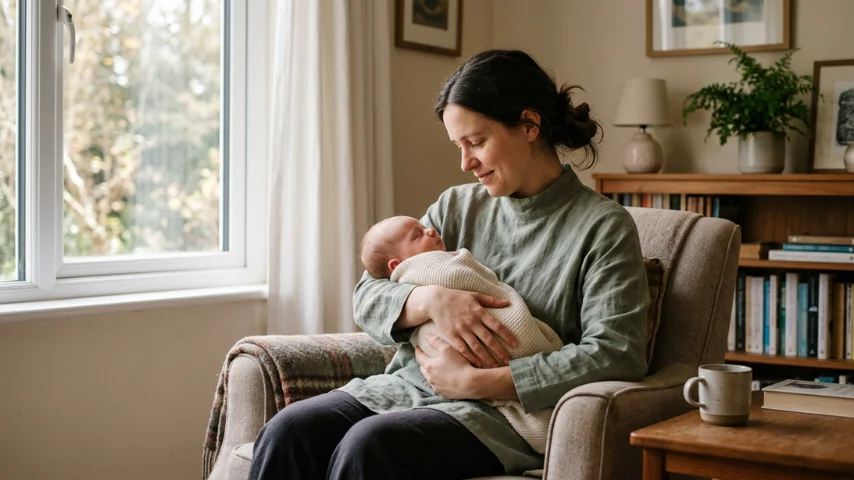
What is Postnatal Depression?
Postnatal depression (PND) is a real and common medical illness that affects approximately 10 to 15 out of every 100 mothers in England. It is entirely distinct from the transient “baby blues” that pass on their own; PND is a persistent and severe condition that impacts your ability to manage daily life and requires professional intervention for recovery.
Symptoms can emerge at any point during the first year after childbirth and frequently begin unnoticed during the pregnancy phase.
It is very important to realise that this illness is not a failure on your part, nor does it mean you are a “bad mother” or incapable; it is simply a medical condition caused by a complex mix of biological changes and environmental stressors.
For this reason, the NHS treats PND with the same clinical gravity as any other major health condition, ensuring you receive the support needed to recover and maintain a healthy bond with your baby.
How is postnatal depression different from “ordinary” depression?
While the core symptoms, such as low mood and fatigue, overlap with clinical depression, PND is specifically tied to the period following childbirth. The primary differences include the following:
- Timing: PND starts specifically in the “perinatal” period (during pregnancy or the first year after birth).
- Focus of Anxiety: Worries often revolve around the baby’s health, safety, or the parent’s perceived “inability” to care for the child.
- Biological Triggers: PND is heavily influenced by the rapid drop in hormones (oestrogen and progesterone) immediately following delivery.
- Unique Symptoms: Excessive crying, severe physical exhaustion, and doubts about motherhood or bonding with the infant.
- Risk Factors: History of depression, lack of social support, difficult delivery, and antenatal anxiety make PND more likely than standard MDD.
What are the symptoms of postnatal depression?
Symptoms can range from mild to severe. Common signs include:
- A persistent feeling of sadness or low mood.
- Lack of energy and feeling tired all the time.
- Trouble sleeping at night, even when the baby is asleep.
- Difficulty bonding with your baby or feeling distant.
- Withdrawing from contact with other people.
- Frightening thoughts, such as hurting your baby (these are usually distressing, intrusive thoughts rather than intentions).
- Loss of appetite or comfort eating, sudden weight changes unrelated to breastfeeding
- Problems concentrating, memory issues or indecisiveness impacting baby care
- Overwhelming anxiety or guilt, fears of being a “bad mother” or baby rejection
- Excessive crying or panic attacks, uncontrollable tears despite support
Are There Any Other Postnatal Problems That Women May Experience?
Baby Blues
- This is extremely common, affecting about 80% of new mothers.
- It usually starts 3 to 10 days after birth and lasts only a few days.
- It involves feeling emotional, tearful, and irritable but does not require medical treatment, only rest and support.
Puerperal or Postpartum Psychosis
- This is a rare (affecting 1 in 1,000 births) but severe medical emergency.
- Symptoms include hallucinations, delusions, and a total loss of touch with reality.
- It requires immediate hospitalization to ensure the safety of both mother and baby.
What Causes Postnatal Depression?
There is no single cause, but rather a combination of factors:
- Biological: Drastic hormonal shifts and physical recovery from labour.
- Psychological: A history of mental health problems or anxiety during pregnancy.
- Social: Lack of support, financial stress, or living in a busy, isolating urban environment like London.
- Physical: Severe sleep deprivation, which impairs emotional regulation.
- Family history: Genetic predisposition to depression.
- Pregnancy complications: Premature birth or unwell baby.
Who is at Risk of Developing Postnatal Depression?
While it can affect anyone, you may be at higher risk if you:
- Have a personal or family history of depression or bipolar disorder.
- Experienced a stressful event during pregnancy (e.g., job loss, bereavement).
- Have limited support from a partner or family.
- Had a traumatic birth experience.
How Does Postnatal Depression Affect Parents and Babies?
The “best treatment for postnatal depression” is vital because, if left untreated, the condition can impact the whole family:
- For the Mother: Prolonged suffering and difficulty returning to work or social life.
- For the Baby: Potential delays in emotional development or attachment issues.
- For the Partner: Increased risk of the partner developing depression themselves (known as paternal postnatal depression).
Criteria for Postpartum Depression
In the UK, clinicians use the Edinburgh Postnatal Depression Scale (EPDS) or the PHQ-9 to screen for PND. A diagnosis is made if symptoms persist for more than two weeks and significantly interfere with daily functioning and infant care.
Best Treatment for Postnatal Depression
| Treatment Type | Description | Best For |
| Talking Therapies | CBT or Interpersonal Therapy (IPT). | Mild to moderate cases; preferred if breastfeeding. |
| Self-Help | Peer support groups and lifestyle changes. | Early-stage symptoms or as an add-on therapy. |
| Medication | Antidepressants (specifically SSRIs). | Moderate to severe cases; rapid symptom relief. |
| Specialist Care | Perinatal Mental Health Teams. | Complex cases or postpartum psychosis. |
Talking Treatments
In London, the NHS “Talking Therapies” (formerly IAPT) is often the first stop.
- Cognitive Behavioral Therapy (CBT): Helps you identify and change negative thought patterns.
- Interpersonal Therapy (IPT): Focuses on your relationships and how you communicate with those around you.
Medicines
If therapy isn’t enough, medication may be the best treatment for postnatal depression, such as
- SSRIs: Drugs like Sertraline or Paroxetine are often chosen because very little of the medication enters breast milk, making them safer for breastfeeding mothers.
Will I Experience Side Effects?
Common side effects of antidepressants include:
- Nausea or dry mouth.
- Headaches.
- Drowsiness (which can be difficult when caring for a baby).
Most side effects are mild and fade after the first two weeks of treatment.
You may also be interested in: Best Drugs to Treat Depression: Safe & Effective Options
How Can I Help Myself?
- Accept Help: Let friends and family help with chores or childcare.
- Prioritize Sleep: Nap when the baby naps, even if the house is messy.
- Exercise: Gentle walks in parks can naturally boost endorphins.
- Avoid “Superwoman” Syndrome: Don’t feel pressured to be the perfect parent.
Seeking Urgent Help
If you have thoughts of harming yourself or your baby, this is a medical emergency.
- Call 999 or go to the nearest A&E (such as St. Thomas’ or Chelsea and Westminster).
- Call 111 for non-emergency but urgent mental health advice.
- Contact the Samaritans by calling 116 123 for 24/7 support.